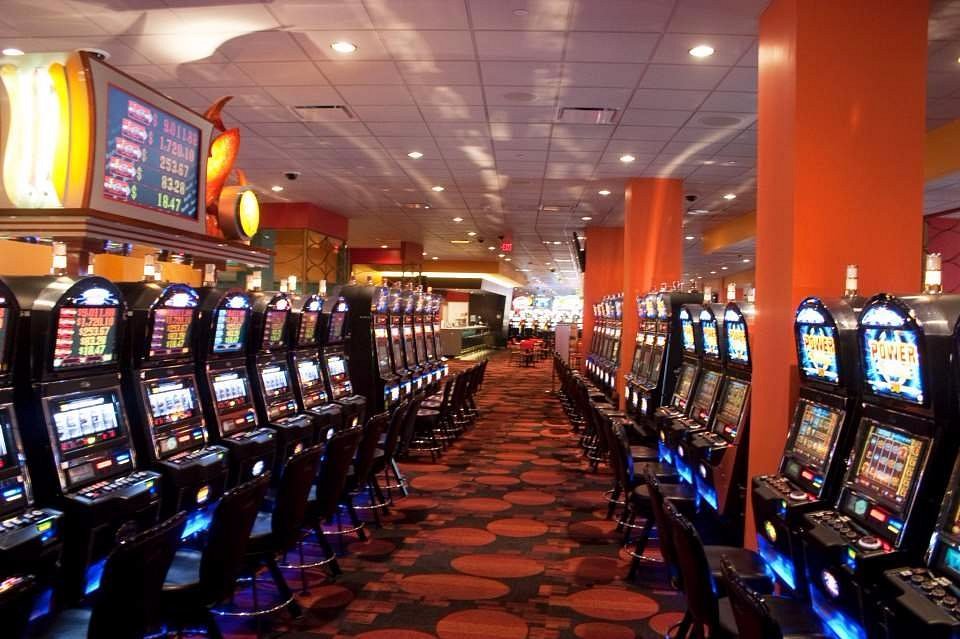
The familiar glow of neon signs, the clinking of chips, the murmur of anticipation – for decades, the UK’s high street casinos have been iconic landmarks, offering a tangible thrill and a social experience. Yet, as the digital world expands its reach into every facet of our lives, a pressing question emerges: what does the future hold for these physical establishments? The rise of online gambling platforms, offering unparalleled convenience and a vast array of games, presents a formidable challenge, forcing traditional casinos to adapt or risk fading into obsolescence.
The allure of the online casino is undeniable. With just a few clicks, players can access a universe of slots, table games, and live dealer experiences from the comfort of their own homes. This accessibility, coupled with often generous welcome bonuses and promotions, has drawn a significant portion of the gambling public away from their local brick-and-mortar counterparts. For many, the convenience of playing anytime, anywhere, outweighs the traditional casino atmosphere. Platforms like WinBeast exemplify this trend, providing a comprehensive and engaging gaming experience that caters to the modern player.
However, to dismiss the enduring appeal of the physical casino would be a mistake. There remains a distinct segment of the gambling community that values the sensory experience – the feel of the cards, the sight of the roulette wheel spinning, and the social interaction with fellow players and dealers. The high street casino offers more than just a game; it provides an event, a night out, a chance to dress up and immerse oneself in an environment of sophisticated entertainment. The challenge for these establishments lies in finding a way to bridge the gap between the tangible and the virtual, to offer an experience that online platforms simply cannot replicate.
The Shifting Sands of Technology
Technology has been the primary driver of change in the gambling industry. The advent of the internet, followed by the proliferation of smartphones and tablets, has democratised access to casino games. High-speed internet connections and sophisticated software have enabled the creation of immersive online environments, complete with high-definition graphics and realistic sound effects. Live dealer games, in particular, have blurred the lines between online and physical casinos, allowing players to interact with real croupiers in real-time, streamed directly to their devices.
This technological evolution extends beyond the player’s experience. Behind the scenes, casinos, both online and offline, are leveraging advanced analytics, artificial intelligence, and data management systems. These tools are crucial for understanding player behaviour, personalising offers, and ensuring regulatory compliance. For high street casinos, integrating new technologies is not just about enhancing the customer experience; it’s about optimising operations, improving security, and staying competitive in an increasingly data-driven market.
Innovations Shaping the Future
- Virtual Reality (VR) and Augmented Reality (AR): While still in their nascent stages for mass adoption, VR and AR hold the potential to create truly immersive casino experiences, transporting players to virtual gaming floors or overlaying digital information onto the physical world.
- Mobile-First Design: The dominance of mobile devices means that any successful gambling offering, online or as an extension of a physical casino, must be optimised for seamless play on smartphones and tablets.
- Blockchain and Cryptocurrencies: The integration of blockchain technology could offer enhanced security, transparency, and faster transaction times, particularly for online platforms.
- Personalised Gaming: AI-powered systems can tailor game recommendations, bonuses, and even the gaming environment to individual player preferences.
The Regulatory Tightrope Walk
The rapid growth of online gambling has not gone unnoticed by regulators. In the UK, the Gambling Commission oversees the industry, striving to ensure fairness, prevent crime, and protect vulnerable individuals. The regulatory landscape is complex and constantly evolving, seeking to strike a balance between allowing a thriving industry and mitigating potential harms.
For high street casinos, adherence to stringent regulations is paramount. This includes licensing requirements, age verification, responsible gambling measures, and anti-money laundering protocols. The digital age introduces new regulatory challenges, such as ensuring the integrity of online games, preventing underage gambling, and addressing issues related to problem gambling in an environment where access is ubiquitous.
Key Regulatory Considerations
- Player Protection: Robust measures to identify and support problem gamblers, including self-exclusion tools and deposit limits, are critical.
- Fairness and Transparency: Ensuring that all games are fair and that terms and conditions are clear and understandable for players.
- Anti-Money Laundering (AML): Strict procedures to prevent the use of gambling for illicit financial activities.
- Licensing and Compliance: Maintaining up-to-date licenses and adhering to all stipulated operational requirements.
The Evolving Customer Experience
The modern gambler is more discerning than ever. They expect seamless experiences, a wide variety of choices, and excellent customer service, regardless of whether they are playing online or in a physical venue. High street casinos are under pressure to elevate their offerings beyond just the games themselves.
This means investing in the overall atmosphere, from sophisticated décor and comfortable seating to high-quality dining and entertainment options. Live music, themed nights, and exclusive events can help draw patrons in. Furthermore, casinos are exploring ways to integrate digital elements into the physical experience, such as loyalty apps that offer personalised rewards, interactive screens, and even augmented reality features that can enhance the gameplay or provide additional information.
Bridging the Divide: Hybrid Models
Perhaps the most promising future for UK high street casinos lies in embracing a hybrid model. This involves leveraging the strengths of both the physical and digital realms to create a cohesive and enhanced customer journey.
Imagine a scenario where a player can register for an account at a physical casino, then use that same account to play online, earning loyalty points that can be redeemed at either venue. Live dealer studios could be integrated within high street casinos, allowing patrons to participate in online games while enjoying the casino’s amenities. Conversely, online players could be offered exclusive invitations to special events or VIP experiences at physical locations.
This integration requires significant technological investment and a strategic shift in thinking. It’s about creating a unified brand experience that transcends the limitations of a single platform. The goal is to offer customers the best of both worlds: the tangible excitement of a night out, combined with the convenience and variety of online gaming.
The Enduring Appeal of the Social Hub
Despite the convenience of online gaming, the social aspect of a physical casino remains a powerful draw. For many, it’s a place to meet friends, enjoy a drink, and experience the thrill of the game in a lively and engaging atmosphere. This social dimension is something that online platforms struggle to fully replicate, despite advancements in live dealer technology.
High street casinos can lean into this strength by focusing on creating vibrant social hubs. This includes offering diverse food and beverage options, hosting events, and ensuring that the staff are trained to provide exceptional hospitality. The casino floor itself can be designed to encourage interaction, with comfortable seating areas and well-appointed bars.
Looking Ahead: Adaptation is Key
The future of UK high street casinos is not one of inevitable decline, but rather one of transformation. The digital revolution has undeniably altered the landscape, but it has also presented opportunities for innovation and evolution. Casinos that embrace technology, prioritise the customer experience, and find creative ways to integrate their physical and digital offerings are best positioned to thrive.
The challenge is significant, requiring investment, strategic foresight, and a willingness to adapt to changing consumer preferences. However, for those establishments that can successfully navigate this evolving environment, the glittering halls of chance on the high street may yet continue to shine brightly for years to come, offering a unique and compelling blend of traditional entertainment and modern convenience.